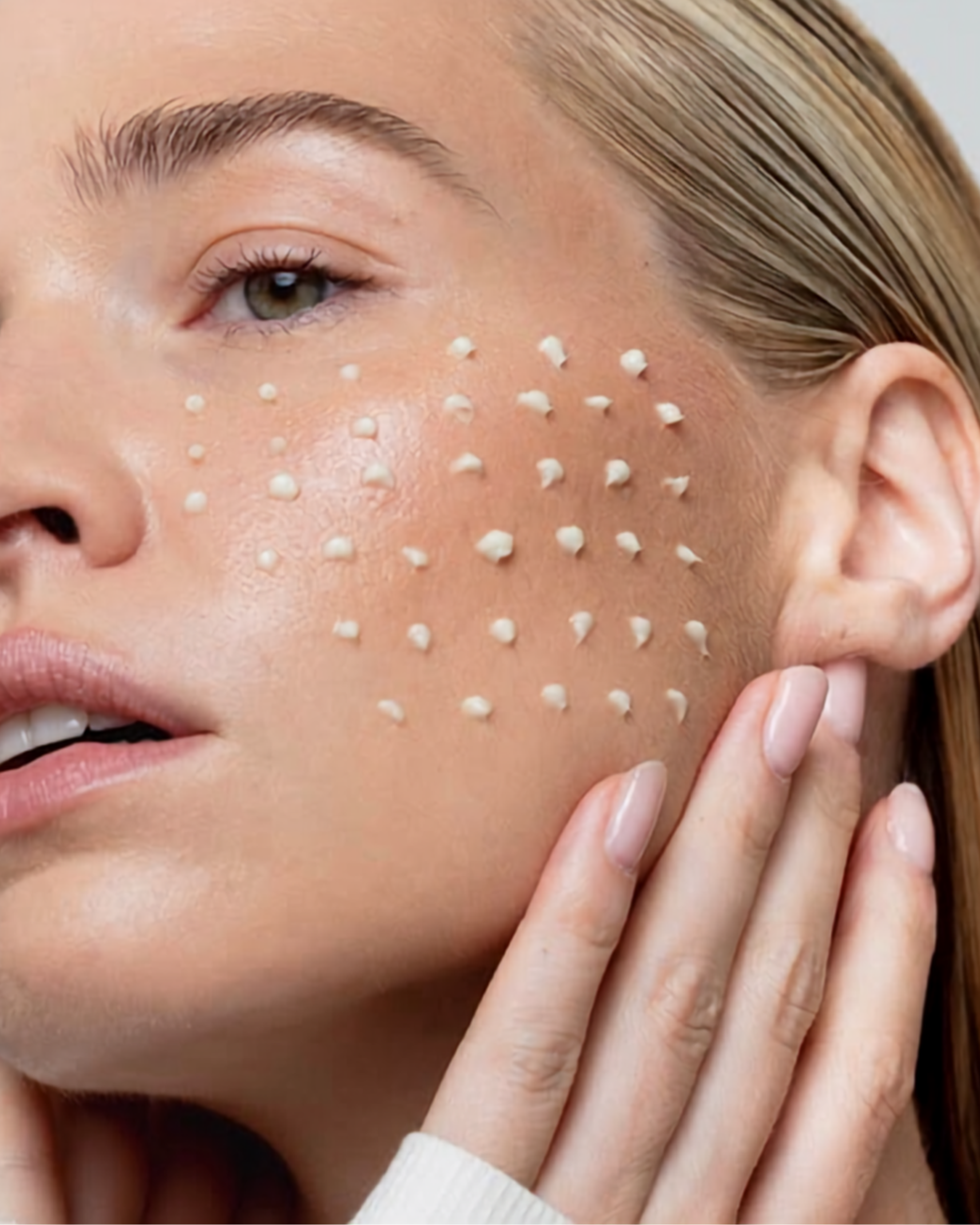
Spicule Promise Microneedling Results. But Do They Deliver?
Lately, you've probably noticed the word "Spicules" popping up everywhere, from in-clinic treatments to home skincare ranges. So, is it just the latest trendy hype, or is it actually worth the price? Bear with me, I've got plenty to unpack here.
What Are Spicule, Anyway?
Let's start with the basics: what exactly are Spicule? They're microscopic, needle-like structures derived from freshwater sponges, used to stimulate cell turnover, boost collagen production, and help drive active ingredients deeper into the skin. Korea, unsurprisingly, leads the way when it comes to discovering and popularising these treatments, marketing them as a serious competitor to microneedling, if not virtually identical to it.
What Does It Actually Feel Like?
You'll notice a prickling, tingling sensation, almost like fine sandpaper, as the microscopic bio-needles embed into the outer layer of your skin. Strange, right? It sounds remarkably similar to the feeling of microneedling. Depending on the brand used, some companies also claim that the microscopic spicules remain active within the skin for up to 48 to 72 hours, creating ongoing micro-stimulation. Sounds impressive on paper, at least.
Can Spicule Replace Microneedling?
Absolutely not. Spicule can be a good treatment for very dull skin that needs better absorption of the skincare products used, making them great for hydration and resurfacing, especially since they cause the skin to peel for a couple of days after treatment. That said, I wouldn't compare this treatment to microneedling. Anyone who does draw that comparison probably doesn't fully understand what microneedling actually does.
Spicule treatments simply don't reach the depth of professional microneedling, where actual needles create precise micro-injuries, triggering the wound healing cascade that stimulates collagen and elastin production. Spicules don't reach that same level of depth, and since they're massaged into the skin, the movement will never be as precise as that of a professional device. Think of it as the difference between a gentle rake through the garden and actually digging in with a shovel. Both disturb the soil, but only one is going to properly turn things over.
My Honest Experience
Have I tried a Spicule treatment? Yes, I've tried it myself, and I've also performed it on clients when I used to work for someone else. Did I like it? Yes, for overall hydration and mild exfoliation of the skin. Would I recommend it? Not really. I'd prefer to invest my money in a more concrete treatment, one focused on genuinely improving skin concerns and overall skin health.
It's not even a relaxing experience where you think, "I'm having a nice massage." Honestly, I found it quite uncomfortable, so if I have to choose to "suffer" through a treatment, I'd rather pick one that delivers a tremendous improvement to my skin instead. If I'm going to feel like I've rolled my face across a beach towel, I want the results to match the drama.
So, Should You Invest?
Personally, no, I don't think I would. But if you'd like to try it, rest assured it won't cause any harm to your skin. Just expect a warm sensation afterwards, followed by quite dry skin the next days. The glow I usually get after skin needling tends to last me almost the entire month, but after Spicule, I haven't noticed that same consistent, month-long glow.
At the end of the day, Spicule are a nice little add-on for hydration and a gentle refresh, but if you're after real, lasting change, your money is better spent elsewhere. Sometimes the fancy new name is just an old idea wearing a fresh coat of marketing.
Will Spicules Stand the Test of Time?
Do I think we'll still be talking about Spicule in a couple of years? Maybe not, and we'll probably look back and laugh about it (I definitely will). Skincare has a funny way of cycling through trends faster than we can pronounce them.